In person, South Brisbane

Physiotherapy and rehabilitation that builds capacity

Assessment, treatment and rehabilitation for musculoskeletal pain and injury — delivered from a dedicated treatment room inside Never Quit South Brisbane.

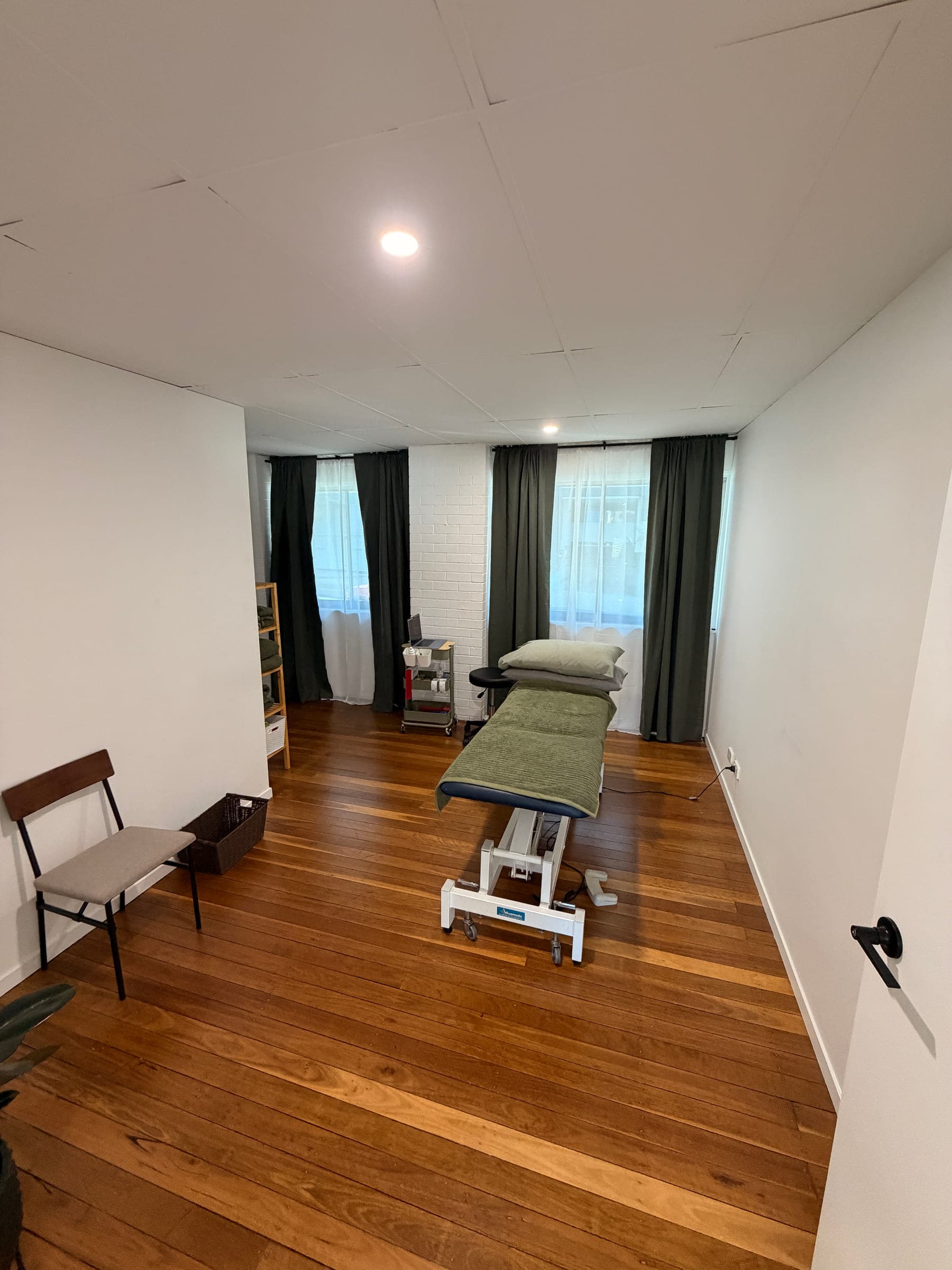
The TLP Physio treatment room, with a height-adjustable plinth, a chair for consultations, polished timber floors and natural light from the window.

Who it is for

For people who want to get back to something specific

Most people who book are working towards a clear goal: lifting again, getting through a Pilates class comfortably, returning to their sport, or simply moving through the day without thinking about it.

  • Gym-goers and competitive athletes

    People who lift, run or compete in formats such as CrossFit and HYROX, and want to train around or through a problem sensibly.

  • Pilates enthusiasts

    Pilates enthusiasts managing an injury or limitation who want a clinician who respects and understands the way they train.

  • Anyone managing pain or an injury

    You do not need to train seriously, or at all, to be seen here. Everyday movement is a goal worth working towards.

What we see

Common presentations

TLP Physio works primarily with musculoskeletal, sporting and golf-related presentations, including:

Pain and injury

  • Lower-back pain
  • Neck pain
  • Shoulder pain and injuries
  • Hip and groin pain
  • Knee pain and injuries
  • Ankle and lower-limb injuries
  • Musculoskeletal pain and injuries
  • Persistent or recurring pain and injuries

Training and sport

  • Gym and training-related injuries
  • Sporting injuries
  • Reduced mobility, strength or physical capacity
  • Returning to the gym or sport after injury

Golf

  • Golf-related pain and injuries
  • Physical limitations affecting the golf swing
  • Reduced mobility or physical capacity affecting golf
  • Golf performance and longevity

If you are not sure whether your situation is a good fit, get in touch before booking and Cameron will tell you honestly — including if someone else is better placed to help.

The approach

Assessment first, then a plan you understand

The aim is to find the primary factors contributing to the problem rather than only treating the area that hurts.

Before your appointment

Once you have booked, you will receive confirmation information and a link to complete a new-patient form before you attend.

During your assessment

  • A conversation about your history, current problem, goals, training or activity demands and relevant lifestyle factors.
  • Assessment of the relevant movement, strength, mobility, control and physical capacity.
  • Identifying the primary contributing factors and any compensations.
  • Beginning treatment and rehabilitation where appropriate.
  • An explanation of the findings in language that makes sense.

Afterwards

Where appropriate, you leave with:

  • A clear explanation of what the assessment found.
  • The rehabilitation priorities, in order.
  • An individualised exercise or rehabilitation program.
  • An understanding of what you are doing and why.

There is no standard number of appointments. Frequency and duration depend on your presentation, your goals and how you respond.

Getting back to it

Rehabilitation that ends where your training starts

Finishing rehabilitation without pain is not the same as being ready to train. Strength, power, mobility, movement control and progressive loading are all part of physiotherapy rehabilitation here, because the gap between “no longer sore” and “back to it” is where most setbacks happen.

That applies whether “back to it” means a barbell, a reformer, a start line or a first tee.

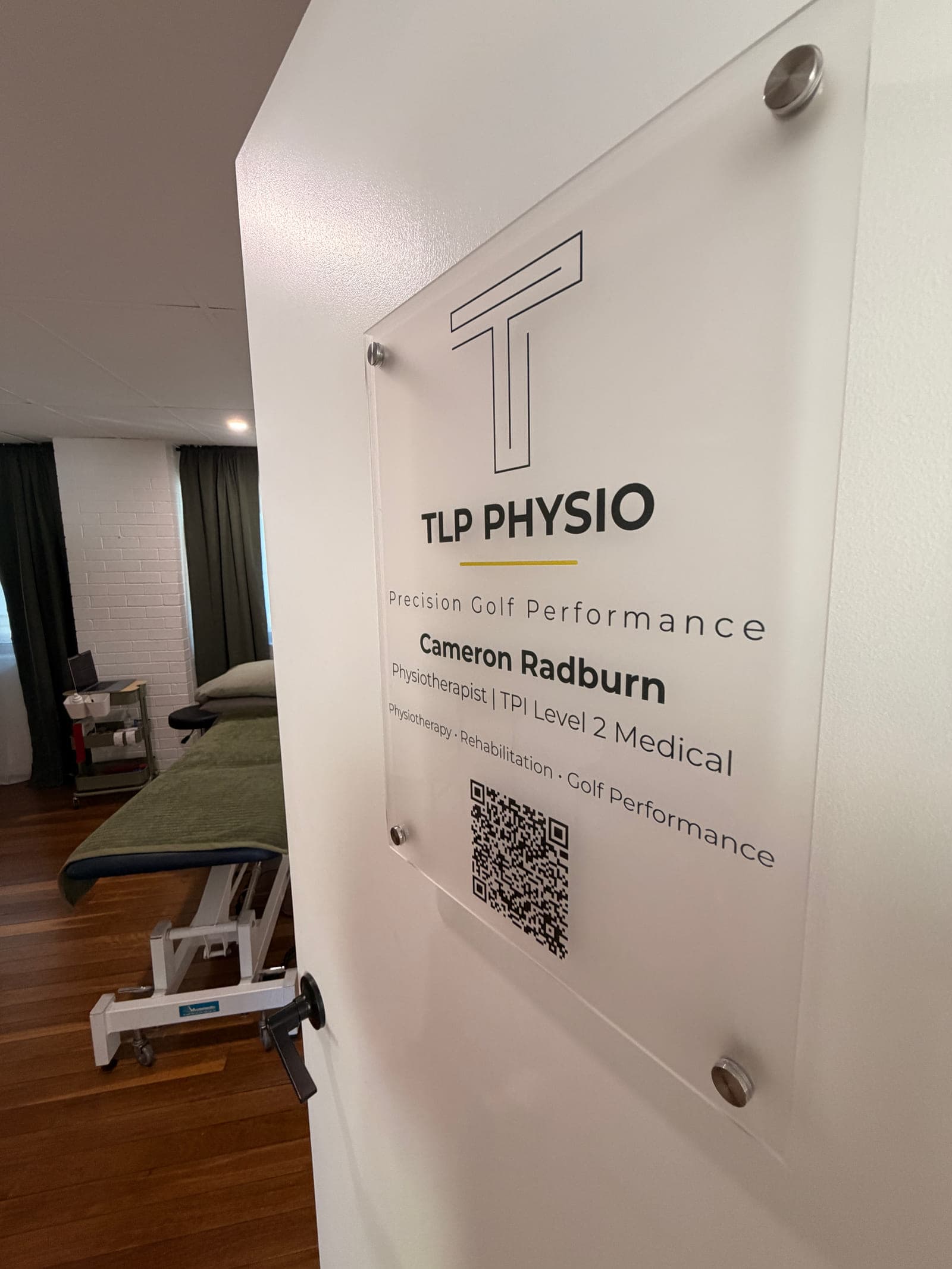
The TLP Physio sign on the treatment room door inside Never Quit South Brisbane, listing Cameron Radburn’s name and TPI Level 2 Medical certification — look for this door on arrival.

Consultations

Physiotherapy consultations and prices

Start with an Initial Physiotherapy Assessment. Follow-up appointments are chosen to suit how much time your presentation needs.

Initial Physiotherapy Assessment

$17560 minutes

A comprehensive consultation for new patients. It includes discussion of the current problem, relevant history, goals and physical demands, followed by assessment of relevant movement, strength and physical capacity.

The aim is to identify the primary factors contributing to the problem rather than only treating the painful area. Treatment and an individualised rehabilitation plan are provided based on findings.

Subsequent Physiotherapy Consultation

$12030 minutes

Ongoing physiotherapy and rehabilitation following the initial assessment. Used to monitor progress, address remaining limitations and progressively restore the capacity required for everyday life, gym training, sport or golf.

  • No weekend surcharge.
  • Payment is made at the time of your appointment. Eligible private health claims are submitted by you afterwards.
  • A referral is not generally required to see a Physiotherapist privately.

Private health insurance

Eligible clients may be able to claim applicable in-person physiotherapy services through their private health insurer. Payment is made to TLP Physio and the client submits their claim afterwards. Coverage varies, so clients should confirm their eligibility and rebate directly with their insurer.

Questions

Physiotherapy FAQs

Do I need a referral?

No. A referral is not generally required to see a Physiotherapist privately in Australia, so you can book directly.

If you have been referred by a GP or specialist, or you are claiming through a scheme that has its own requirements, bring any paperwork with you and check the requirements with the referring party or funder.

Can I claim physiotherapy through private health insurance?

Eligible clients may be able to claim applicable in-person physiotherapy services through their private health insurer. Payment is made to TLP Physio and the client submits their claim afterwards. Coverage varies, so clients should confirm their eligibility and rebate directly with their insurer.

What should I bring?

Comfortable clothing you can move in, and any relevant scans, reports or referral letters you already have.

For a Golf Movement Assessment, bring a golf club when Cameron has asked you to.

What should I wear?

Wear something you can move and be assessed in — shorts, leggings or activewear, and comfortable shoes.

The assessment involves looking at how you move, so clothing that lets you squat, hinge, reach and rotate comfortably is ideal.

What happens during an Initial Physiotherapy Assessment?

The Initial Physiotherapy Assessment runs for 60 minutes. It starts with a conversation about your history, the current problem, your goals and the physical demands of your work, training or sport.

Cameron then assesses the relevant movement, strength, mobility, control and physical capacity to identify the primary factors contributing to the problem rather than only the painful area.

Treatment begins where appropriate, and you leave with an explanation of the findings and an individualised rehabilitation plan.

What is the difference between an Initial Physiotherapy Assessment and a Golf Movement Assessment?

The Initial Physiotherapy Assessment is a general musculoskeletal physiotherapy consultation. It is the right starting point if you have pain, an injury or a physical limitation you want assessed and treated.

The Golf Movement Assessment is a longer, 75-minute golf-specific assessment. It looks at how your movement and physical capabilities may be influencing your comfort, swing and performance on the course.

If you are unsure which suits your situation, get in touch before booking and Cameron will point you to the right one.

Book an initial assessment

Sixty minutes to work out what is going on, start treatment and leave with a plan.